Rapid local response
St. Petersburg water damage pros answer around the clock and send a crew as soon as the call is taken.
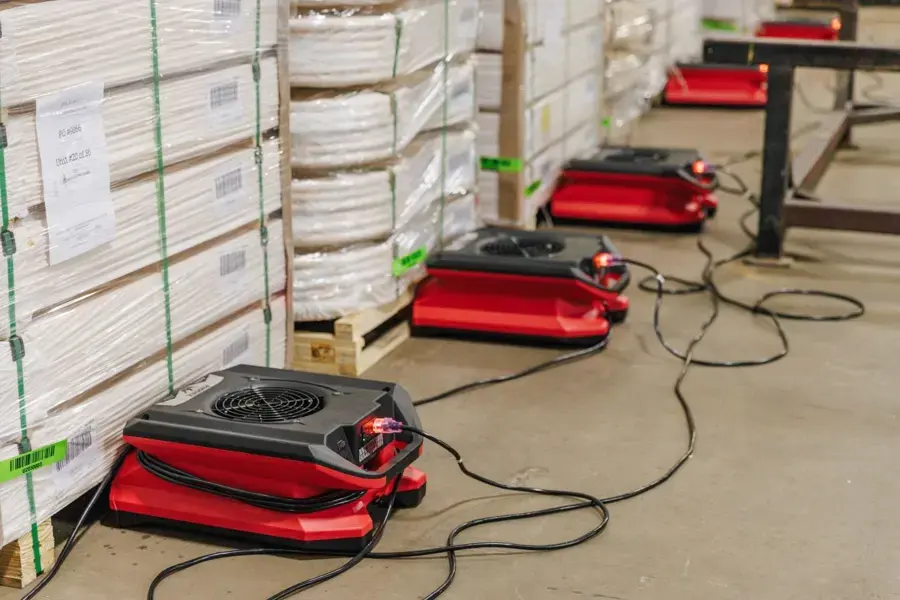
For a business, water damage is also lost days. The goal is to extract fast, dry what can be dried in place and keep as much of the space open as possible while the work runs.
(888) 621-2041Get a local pro on the line for St. Pete commercial water damageClose the building shutoff or the valve for the affected area.
Keep staff and customers away from wet areas and switch off affected circuits.
Lift stock, files and electronics off the floor.
Document the loss for the claim and get extraction going.
Third-party restoration contractors do the work; this is how a proper job runs, so you know what to expect and what to ask for.
St. Petersburg water damage pros answer around the clock and send a crew as soon as the call is taken.
The drying team maps moisture first, then extracts and dries until the readings say dry.
Daily moisture readings and timestamped photos before demolition, the file an adjuster asks for.
Surge, downpours, slab leaks and AC overflows are everyday calls in a Florida slab home.
In Saint Petersburg, FL, commercial water damage restoration typically runs $3,000 to $30,000 or more, depending on square footage, the water category, the materials affected and how much of the space must stay open during drying.
For a closer planning number, try the water damage cost calculator. A firm figure only comes from an on-site walkthrough of what is actually wet.
The tech who does the walkthrough finds the source and maps how far the water traveled, using thermal imaging and pinless meters.
The extraction crew pulls standing water with truck-mounted units, then removes anything the water category says cannot be saved.
Air movers and LGR dehumidifiers go in sized to the evaporation load of each room, with desiccants for dense Class 4 materials.
Readings are logged daily, and equipment leaves only when wet materials are within 2 to 4 points of a dry reference material.
St. Petersburg's commercial buildings range from downtown offices and Central Avenue storefronts to Gateway office parks, restaurants along the waterfront, warehouses and condo association common areas. Each has the same problem after a water loss: the longer it takes, the longer the doors stay closed.
The restoration contractor who responds starts with a walkthrough and a moisture map of the whole affected area, then sets a phased plan so unaffected parts of the building can stay open. The extraction crew removes standing water, often from carpet tile, which can sometimes be lifted, dried and reset. Air movers and large dehumidifiers go in, sometimes with temporary power, and containment separates work areas from customers and staff. Daily readings and photos build a record for the insurance claim and for property management.
Contaminated water, such as surge or a sewage backup, follows Category 3 protocol. Condo associations dealing with leaks across several units can see the condo leak page.
Business interruption coverage, where it exists, relies on dates, photos and a clear scope. A drying log that shows when each area reached its goal supports that part of the claim.
The federal Ready Business program helps businesses plan for storms and floods, and OSHA explains workplace safety during cleanup at osha.gov.
Water in your St. Pete business? Get a phased drying plan started.
Call the St. Pete commercial water lineFrom the downtown waterfront to Pinellas Point, the St. Petersburg water damage pros take calls from every ZIP on the peninsula, day and night.
The local restoration pros cover all of St. Petersburg, from Snell Isle and the Old Northeast to Lakewood Estates, Tyrone and Gateway, plus Gulfport, South Pasadena, Pinellas Park and the beach towns.
The restoration team asks for the cross street and which rooms are wet, because that decides how much equipment goes on the truck.
See every St. Pete neighborhood and ZIP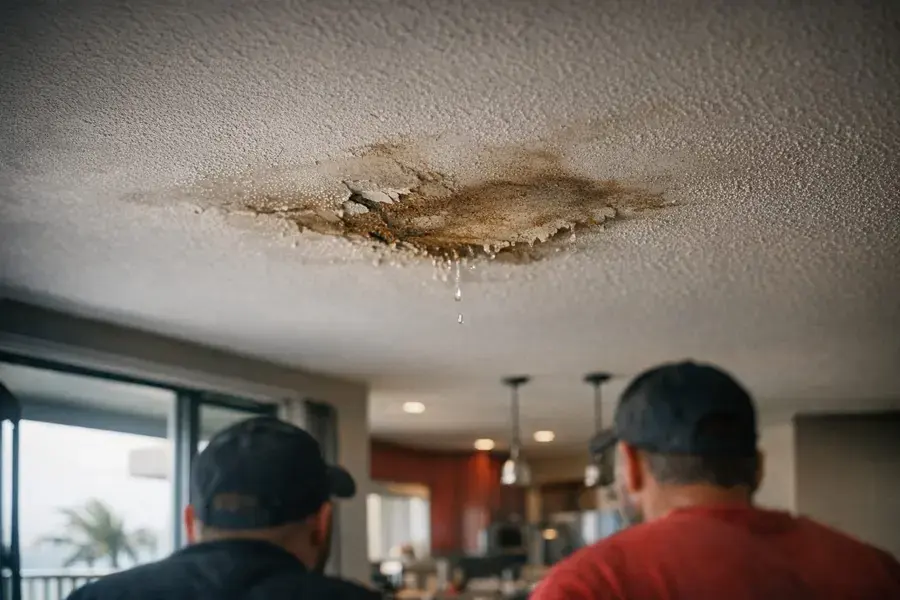 Condo and Unit-to-Unit Leak CleanupOne leak, several units, mapped floor by floor.Read the condo guide
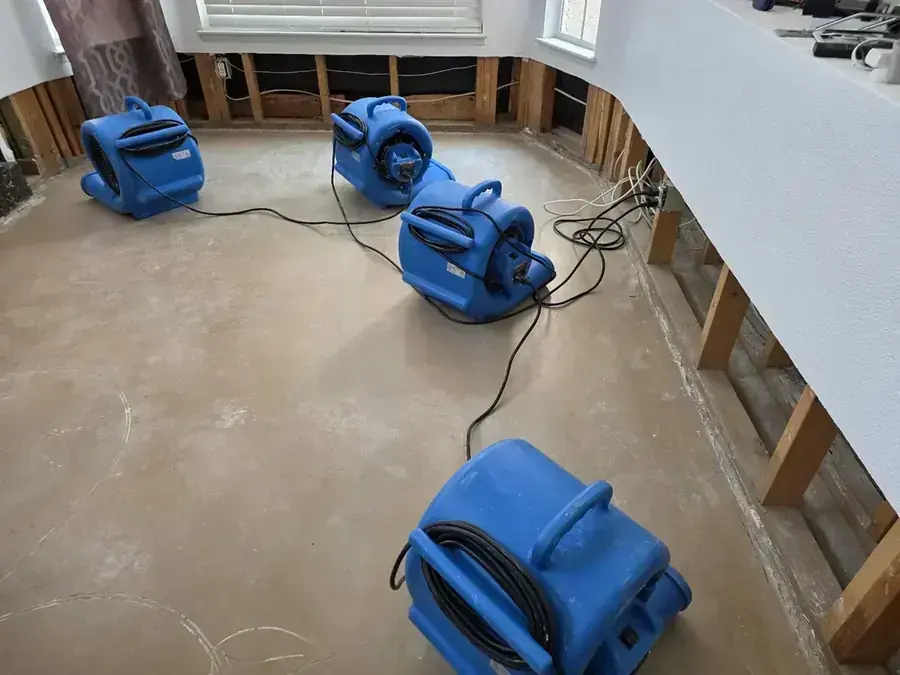 Structural Drying and DehumidificationFraming, slab and cavities dried to the IICRC S500 goal.Read the structural drying guide
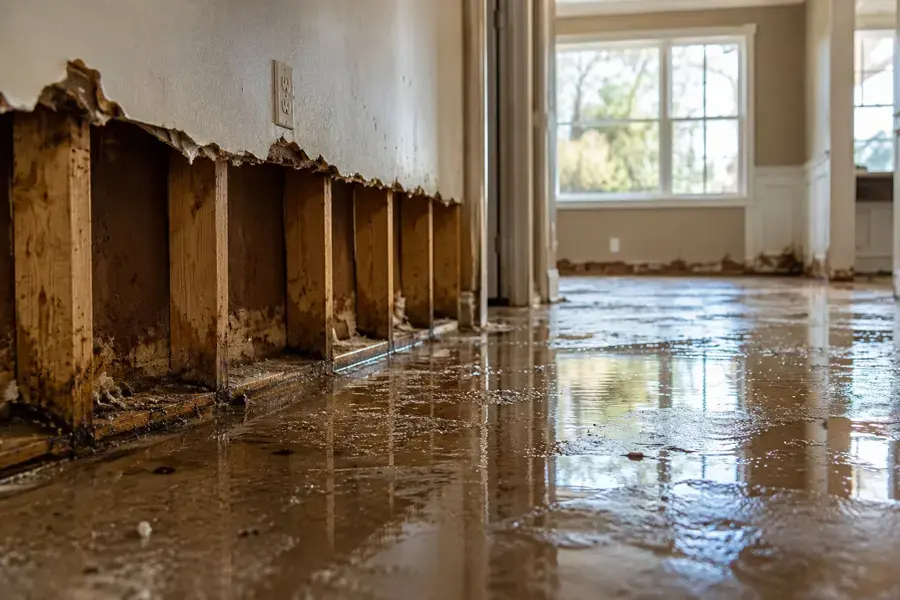 Storm Surge and Saltwater Flood CleanupSaltwater surge is Category 3: soaked materials out, structure dried.Read the storm surge guide
Often, in part. A phased plan with containment can keep unaffected areas open while wet areas dry.
On a clean-water loss, carpet tile can often be lifted, dried and reinstalled. Tile soaked by contaminated water is usually replaced.
Commercial property policies often cover sudden water damage, and some include business interruption. Coverage depends on your policy, so it is worth checking with your own insurer.
A contained loss often dries in about 3 to 5 days. Large or Category 3 losses take longer, and phased work can spread that out.
Moisture maps, daily readings, photos and a clear scope of what was removed and why. Ask for these at the start.
Many crews schedule noisy work around business hours when possible, though drying equipment runs around the clock.
Still have water on the floor? Skip the reading and call (888) 621-2041.
The mitigation team answers 24/7 and plans the drying around your business.