Rapid local response
St. Petersburg water damage pros answer around the clock and send a crew as soon as the call is taken.
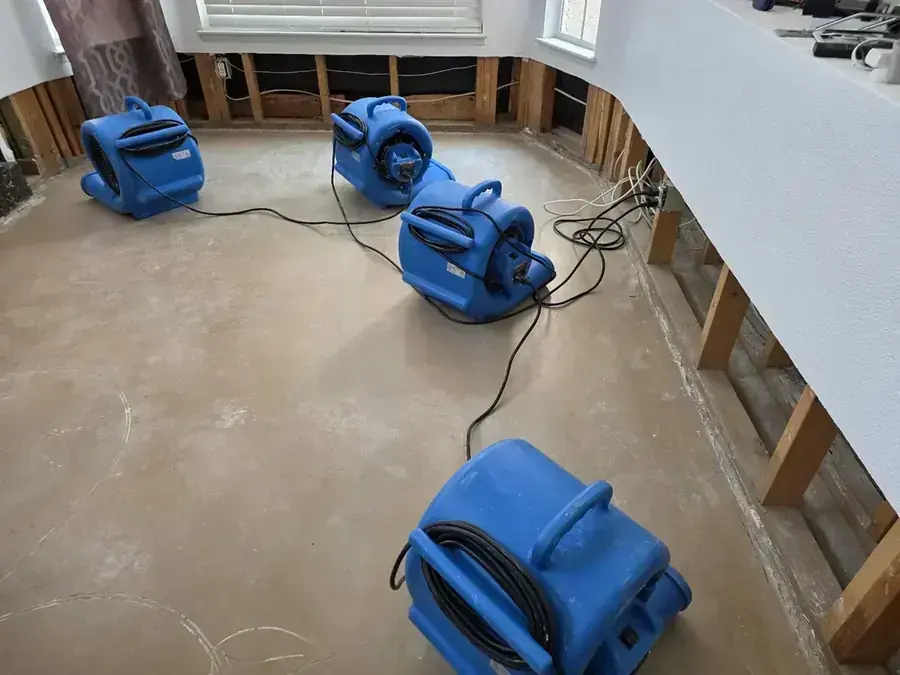
Surface-dry is not dry. Structural drying pulls water out of framing, block walls, subfloors and slabs, and it is finished when the readings say so, not when the room looks fine.
(888) 621-2041Start the dry-out now with the St. Pete drying teamUnless it is the source, the AC helps pull humidity down.
Avoid closing wet rooms up or covering wet floors with rugs.
Let air reach the spaces that trap moisture.
Readings show what is wet behind the surface.
Third-party restoration contractors do the work; this is how a proper job runs, so you know what to expect and what to ask for.
St. Petersburg water damage pros answer around the clock and send a crew as soon as the call is taken.
The drying team maps moisture first, then extracts and dries until the readings say dry.
Daily moisture readings and timestamped photos before demolition, the file an adjuster asks for.
Surge, downpours, slab leaks and AC overflows are everyday calls in a Florida slab home.
In Saint Petersburg, FL, structural drying typically runs $1,200 to $8,000, depending on the class of water loss, the square footage, the materials involved, and how many days the air movers and dehumidifiers have to run.
For a closer planning number, try the water damage cost calculator. A firm figure only comes from an on-site walkthrough of what is actually wet.
The tech who does the walkthrough finds the source and maps how far the water traveled, using thermal imaging and pinless meters.
The extraction crew pulls standing water with truck-mounted units, then removes anything the water category says cannot be saved.
Air movers and LGR dehumidifiers go in sized to the evaporation load of each room, with desiccants for dense Class 4 materials.
Readings are logged daily, and equipment leaves only when wet materials are within 2 to 4 points of a dry reference material.
Drying a building is a measured process, not a guess. The IICRC S500 standard describes how professional drying works, and the local restoration pros follow the same logic on every job: find all the water, remove what cannot be saved, then control airflow, humidity and temperature until wet materials match dry ones. In St. Petersburg, where outdoor humidity is high most of the year, dehumidification does most of the work.
The tech who does the walkthrough takes a reading on a dry reference material, such as drywall in an unaffected room. The drying goal is to bring wet materials within 2 to 4 points of that reference. Readings are logged daily, equipment is moved as areas dry, and the drying team pulls equipment only when the numbers say the structure is dry. That record is also what an adjuster looks for.
Class matters too. Class 1 is a small area with little absorbed water; Class 4 is dense material that holds water deep inside. A wet slab or plaster wall in an older Old Northeast home needs more time and different equipment than a carpeted bedroom. After water extraction, drying is the longest part of most jobs.
Box fans move air but do not remove moisture from it. In a humid St. Petersburg house, that water simply settles back into drywall and wood. Dehumidification is what actually lowers the moisture content.
The EPA explains indoor moisture and humidity control at epa.gov, and OSHA covers worker safety during water cleanup at osha.gov.
Wet walls or floors that will not dry? Get the readings taken.
Get the St. Pete structural drying started todayFrom the downtown waterfront to Pinellas Point, the St. Petersburg water damage pros take calls from every ZIP on the peninsula, day and night.
The local restoration pros cover all of St. Petersburg, from Snell Isle and the Old Northeast to Lakewood Estates, Tyrone and Gateway, plus Gulfport, South Pasadena, Pinellas Park and the beach towns.
The restoration team asks for the cross street and which rooms are wet, because that decides how much equipment goes on the truck.
See every St. Pete neighborhood and ZIP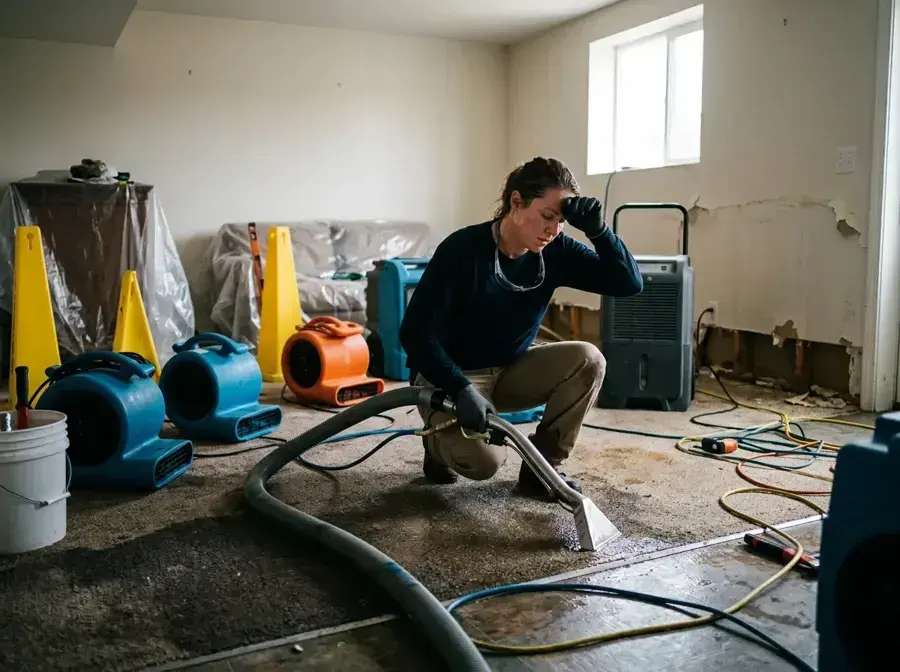 Water Extraction and RemovalTruck-mounted extraction pulls standing water before it wicks into walls.Read the water extraction guide
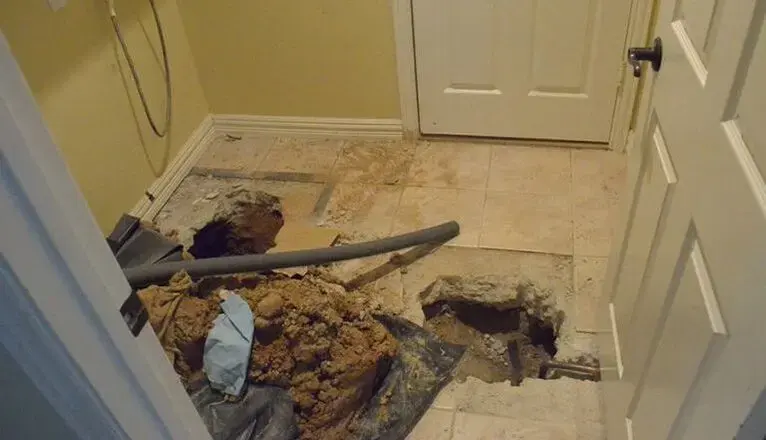 Slab Leak Water DamageLeaks under concrete floors, found by thermal imaging and dried.Read the slab leak water damage guide
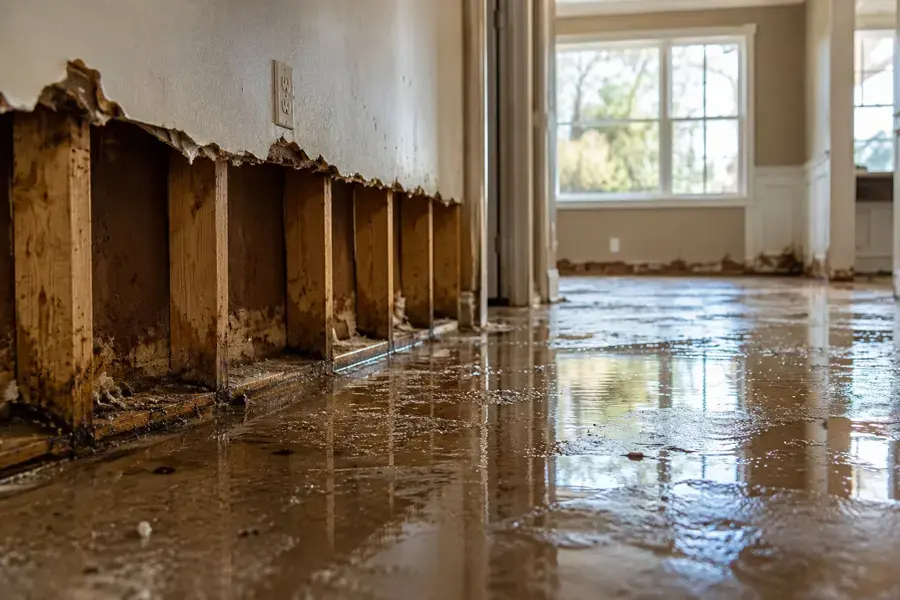 Storm Surge and Saltwater Flood CleanupSaltwater surge is Category 3: soaked materials out, structure dried.Read the storm surge guide
A contained Class 1 or 2 loss usually dries in about 3 to 5 days. Hardwood, plaster and concrete slabs take longer. Equipment leaves when readings reach the goal.
A low grain refrigerant dehumidifier removes more water from the air than a household unit, even when the air is already fairly dry, which speeds up structural drying.
On Class 4 losses with dense materials like concrete, plaster and hardwood, or in cooler spaces where refrigerant units slow down.
Drying works around the clock. Turning equipment off lets humidity rise and moisture move back into materials.
Ask to see the daily readings. Wet materials should be within 2 to 4 points of a dry reference material in the same building.
When the water loss itself is covered, drying costs usually are too. Coverage depends on your policy, so it is worth checking with your own insurer.
Still have water on the floor? Skip the reading and call (888) 621-2041.
Local water damage experts answer 24/7 and dry to readings, not to a date on the calendar.