Rapid local response
St. Petersburg water damage pros answer around the clock and send a crew as soon as the call is taken.
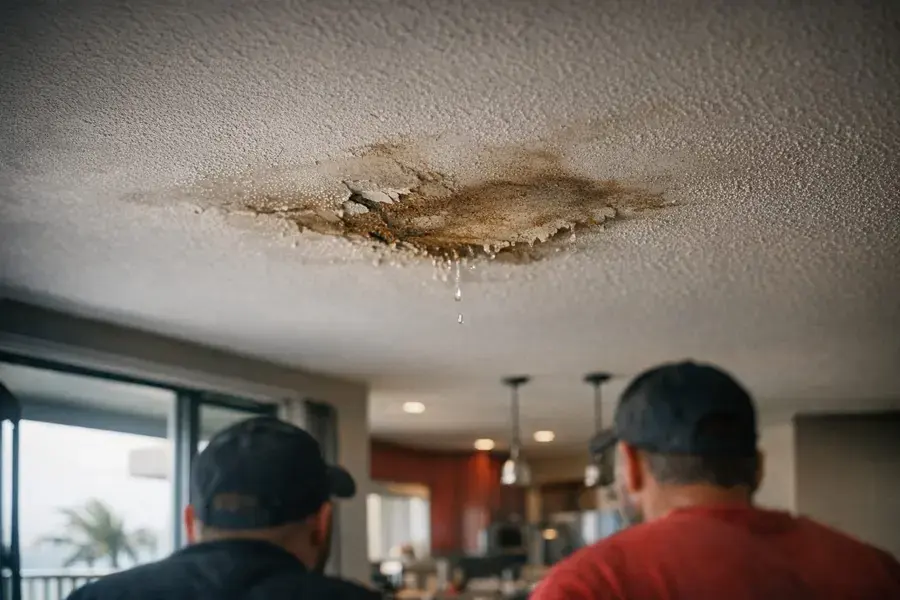
In a condo tower, one failed line can wet three or four units stacked below it. Mapping the water floor by floor is how every owner gets an accurate picture of their own damage.
(888) 621-2041Get a local pro on the line for a St. Pete condo leakNotify building management so the source unit and riser can be shut off.
Water above you usually starts in the unit directly overhead.
Move furniture and electronics away from wet ceilings and walls.
Your photos support your claim and the association's.
Third-party restoration contractors do the work; this is how a proper job runs, so you know what to expect and what to ask for.
St. Petersburg water damage pros answer around the clock and send a crew as soon as the call is taken.
The drying team maps moisture first, then extracts and dries until the readings say dry.
Daily moisture readings and timestamped photos before demolition, the file an adjuster asks for.
Surge, downpours, slab leaks and AC overflows are everyday calls in a Florida slab home.
In Saint Petersburg, FL, drying a single condo unit after a leak typically runs $1,000 to $6,000, depending on how much ceiling, wall and flooring got wet, whether the water is clean or contaminated, and building access limits.
For a closer planning number, try the water damage cost calculator. A firm figure only comes from an on-site walkthrough of what is actually wet.
The tech who does the walkthrough finds the source and maps how far the water traveled, using thermal imaging and pinless meters.
The extraction crew pulls standing water with truck-mounted units, then removes anything the water category says cannot be saved.
Air movers and LGR dehumidifiers go in sized to the evaporation load of each room, with desiccants for dense Class 4 materials.
Readings are logged daily, and equipment leaves only when wet materials are within 2 to 4 points of a dry reference material.
Downtown St. Petersburg and the bayfront carry a lot of condo living, from new towers to mid-rise buildings from the 1970s and 1980s. Water behaves differently in a stacked building: it follows plumbing risers, runs along concrete floor slabs and drops through ceilings into the unit below, and then the next one. A dishwasher leak on the eighth floor can end up as a ceiling stain on the fifth.
The mitigation team starts at the source and works down, mapping moisture in each affected unit with thermal imaging and pinless meters. Each unit gets its own moisture map and photos, because each owner and the association may have separate claims. The extraction crew removes standing water, then ceilings, walls and flooring are dried with air movers and LGR dehumidifiers. In older buildings, textured ceilings may need testing before removal, and noise and power limits often shape how equipment is placed.
If the source is a drain line or the water is dirty, the job follows Category 3 protocol. Leaks from the air handler are covered on the AC drain line leak page.
In Florida condos, the association policy and each owner's HO-6 policy usually split responsibility for the structure and the unit interior. Separate moisture maps and photos per unit make that split much easier to sort out.
Florida condo rules and association duties are published by the state; flood and hurricane coverage basics are at FloodSmart.gov, and the EPA covers indoor moisture control at epa.gov.
Water coming from the unit above? Document it and get your unit mapped.
Call the St. Pete condo leak lineFrom the downtown waterfront to Pinellas Point, the St. Petersburg water damage pros take calls from every ZIP on the peninsula, day and night.
The local restoration pros cover all of St. Petersburg, from Snell Isle and the Old Northeast to Lakewood Estates, Tyrone and Gateway, plus Gulfport, South Pasadena, Pinellas Park and the beach towns.
The restoration team asks for the cross street and which rooms are wet, because that decides how much equipment goes on the truck.
See every St. Pete neighborhood and ZIP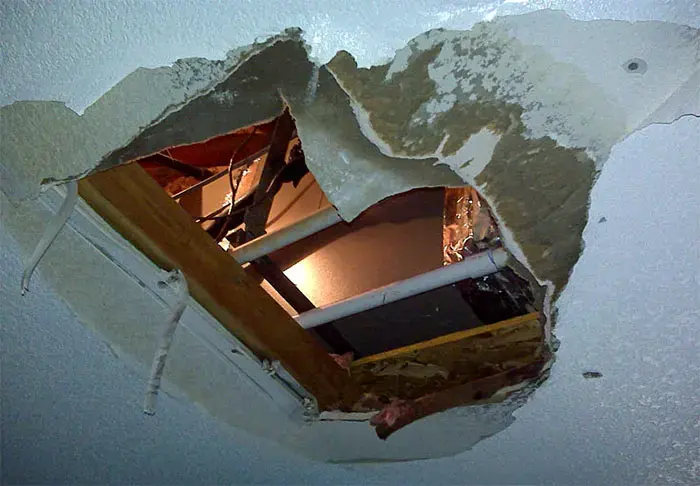 Ceiling Leak Water DamageWater from a bathroom, roof or air handler above.Read the ceiling leak water damage guide
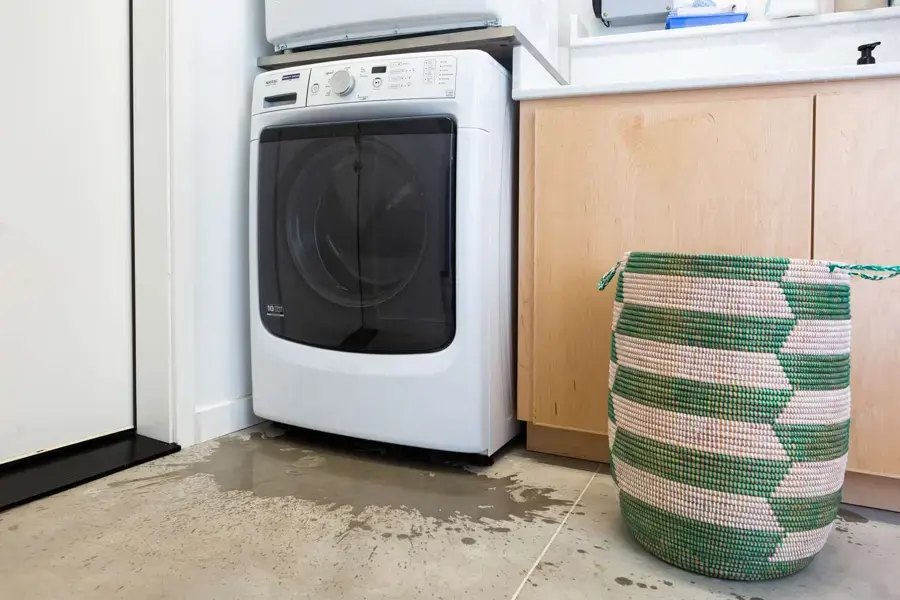 Appliance Supply Line Leak CleanupWasher, dishwasher, fridge and ice-maker line failures.Read the appliance supply line leak cleanup guide
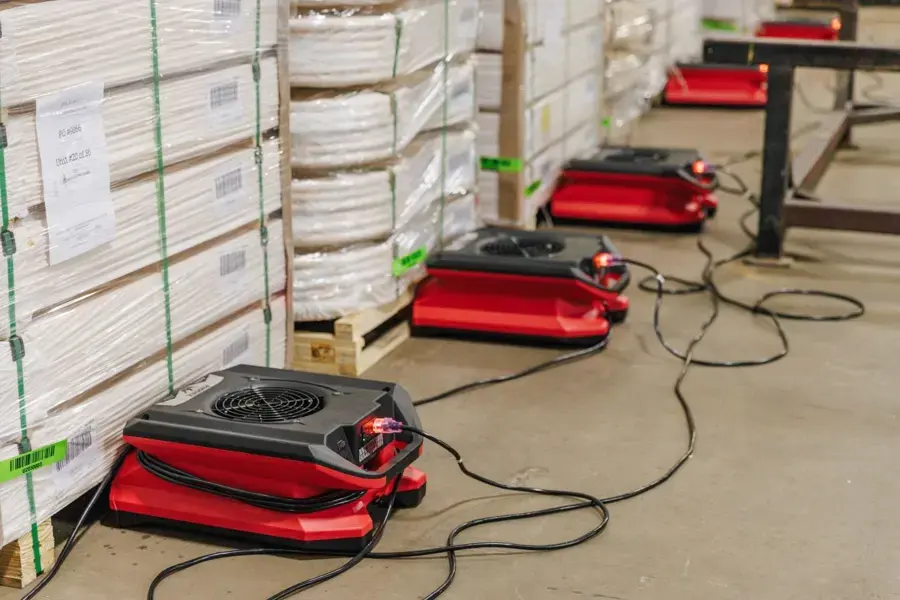 Commercial Water Damage RestorationOffices, shops and condo common areas dried with less downtime.Read the commercial water damage restoration guide
It depends on the source, the association documents and the policies involved. Many Florida condos split coverage between the association policy and each owner's HO-6 policy. Coverage depends on your policy, so it is worth checking with your own insurer.
Yes. Separate maps, photos and readings for each unit keep every owner's file clear and avoid disputes about what was wet.
Usually, yes. Air movers and dehumidifiers run around the clock, and crews place them to fit building noise and power limits.
Your unit still needs drying. Water trapped in ceilings, walls and under flooring does not dry on its own in humid Florida air.
A contained leak often dries in about 3 to 5 days. Concrete slabs between floors can hold water longer.
Sometimes, depending on the declaration and the policies. Ask building management for the insurance responsibility section of the documents.
Still have water on the floor? Skip the reading and call (888) 621-2041.
The restoration team works unit by unit and leaves each owner a clear moisture record.