Rapid local response
St. Petersburg water damage pros answer around the clock and send a crew as soon as the call is taken.
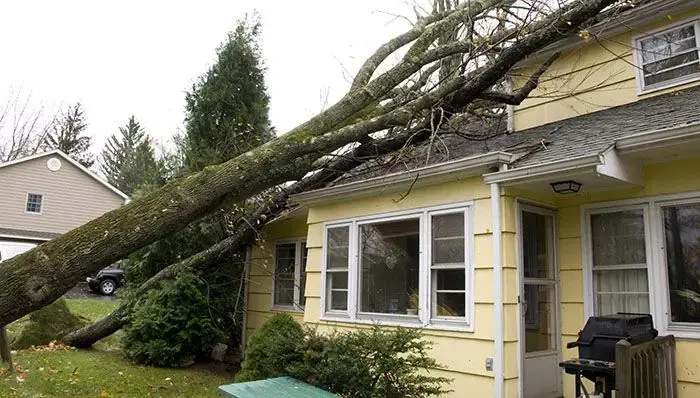
Hurricane winds lift shingles, peel soffits and push rain past window seals. The water ends up in attic insulation and ceilings long before anyone sees a stain.
(888) 621-2041Speak with 24/7 dispatch for St. Pete roof leaksOnce winds drop, a roofer or restoration crew can tarp the opening to stop more rain.
A bulging ceiling can hold gallons; keep people out from under it.
Buckets under drips, and move furniture and electronics away from wet walls.
Photos of the roof, the ceilings and wet insulation help the claim.
Third-party restoration contractors do the work; this is how a proper job runs, so you know what to expect and what to ask for.
St. Petersburg water damage pros answer around the clock and send a crew as soon as the call is taken.
The drying team maps moisture first, then extracts and dries until the readings say dry.
Daily moisture readings and timestamped photos before demolition, the file an adjuster asks for.
Surge, downpours, slab leaks and AC overflows are everyday calls in a Florida slab home.
In Saint Petersburg, FL, drying hurricane roof leak damage typically runs $1,500 to $12,000, depending on how much insulation and drywall got wet, how many rooms are affected and how long the water sat before drying started.
For a closer planning number, try the water damage cost calculator. A firm figure only comes from an on-site walkthrough of what is actually wet.
The tech who does the walkthrough finds the source and maps how far the water traveled, using thermal imaging and pinless meters.
The extraction crew pulls standing water with truck-mounted units, then removes anything the water category says cannot be saved.
Air movers and LGR dehumidifiers go in sized to the evaporation load of each room, with desiccants for dense Class 4 materials.
Readings are logged daily, and equipment leaves only when wet materials are within 2 to 4 points of a dry reference material.
Hurricane Milton in October 2024 showed how much damage wind and rain do even without surge: roofs across St. Petersburg lost shingles and tiles, and more than a foot of rain fell on parts of the city. Roof leaks after a storm are sneaky, because the attic insulation soaks up water like a sponge before a single drop reaches the ceiling below.
The tech who does the walkthrough starts in the attic and on the ceilings with a thermal camera and moisture meters. Wet blown-in or batt insulation usually comes out, because it stays wet for weeks and weighs down the drywall. Sagging drywall is removed; ceilings that are damp but sound can often be dried in place with air movers and dehumidifiers directed at the cavity. The drying team then works down the walls, checking inside wall cavities below the leak path.
If the leak also soaked floors, water extraction comes first. Interior leaks from plumbing or an air handler are handled a little differently; see ceiling leak water damage.
A roofer stops new water. The restoration contractor who responds dries what already got in. Both need to happen, and the drying should not wait for the final roof replacement.
Stay off the roof in wind, and treat any ceiling near light fixtures as an electrical hazard until the power is checked. The National Weather Service hurricane safety page at weather.gov and Ready.gov cover what to do after the storm passes.
Ceiling stains spreading after the storm? The attic is probably wetter than it looks.
Get the St. Pete attic drying started todayFrom the downtown waterfront to Pinellas Point, the St. Petersburg water damage pros take calls from every ZIP on the peninsula, day and night.
The local restoration pros cover all of St. Petersburg, from Snell Isle and the Old Northeast to Lakewood Estates, Tyrone and Gateway, plus Gulfport, South Pasadena, Pinellas Park and the beach towns.
The restoration team asks for the cross street and which rooms are wet, because that decides how much equipment goes on the truck.
See every St. Pete neighborhood and ZIP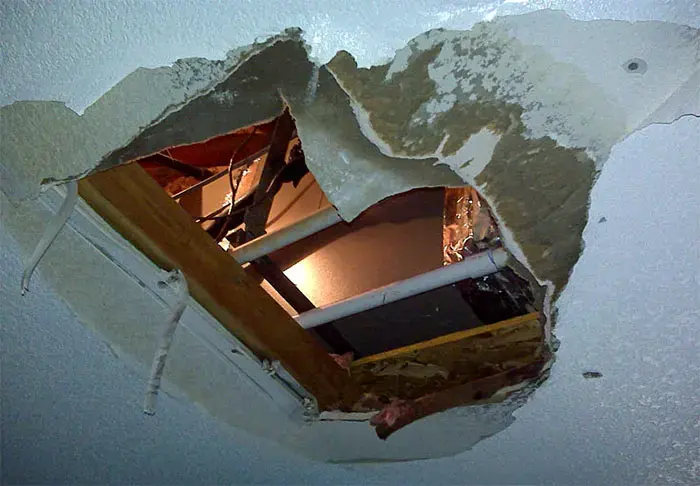 Ceiling Leak Water DamageWater from a bathroom, roof or air handler above.Read the ceiling leak water damage guide
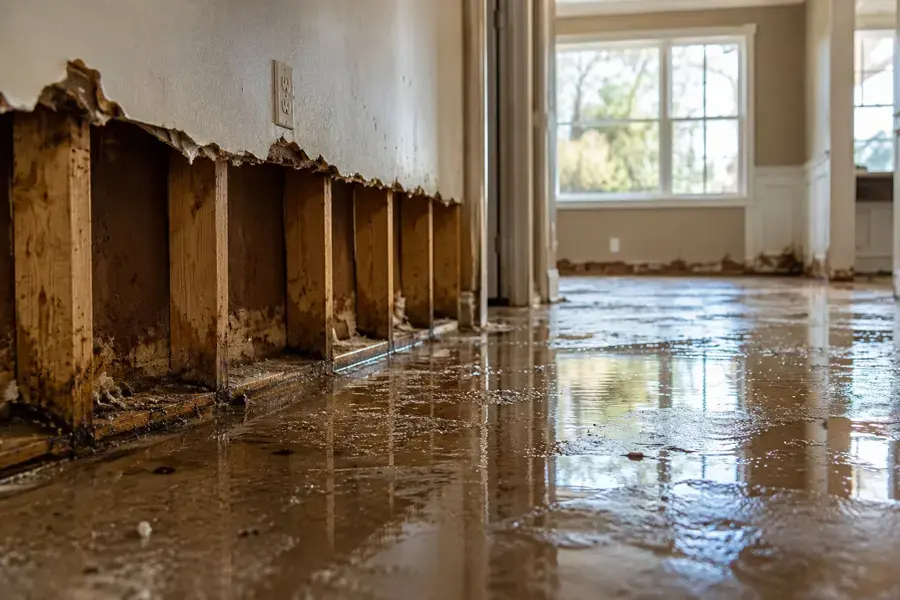 Storm Surge and Saltwater Flood CleanupSaltwater surge is Category 3: soaked materials out, structure dried.Read the storm surge guide
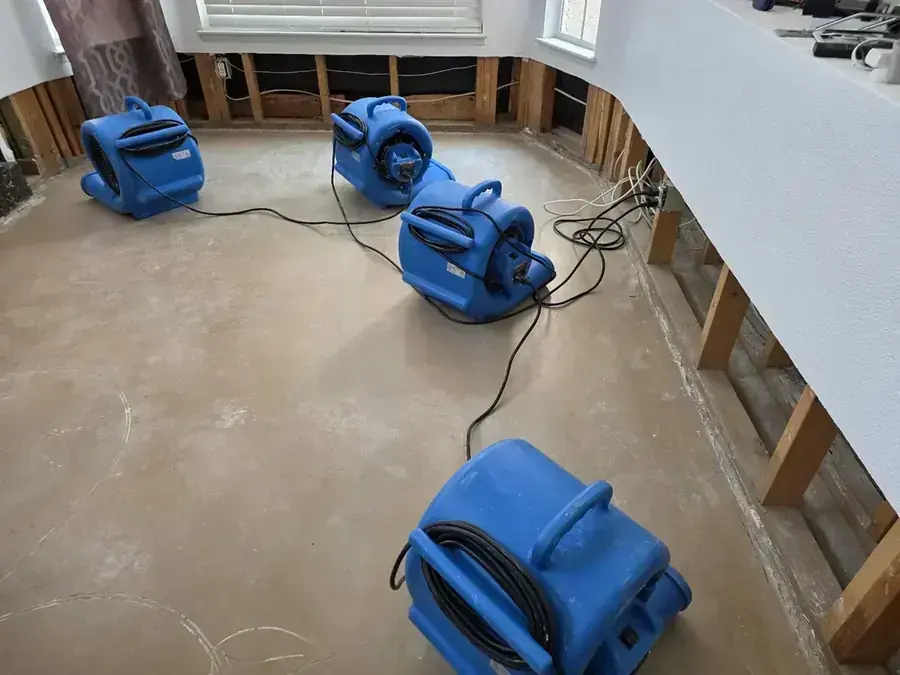 Structural Drying and DehumidificationFraming, slab and cavities dried to the IICRC S500 goal.Read the structural drying guide
Often, if the drywall is only damp and still firm. Ceilings that sag, crumble or held standing water are removed for safety, then the framing is dried.
Usually. Blown-in and batt insulation hold water for a long time and lose insulating value once matted. Removing it lets the attic framing dry.
Wind damage that opens the roof and lets rain in is often covered under a homeowners policy with a hurricane deductible. Coverage depends on your policy, so it is worth checking with your own insurer.
A contained ceiling leak often dries in about 3 to 5 days once equipment is running. Large losses with wet framing take longer, and readings decide when the equipment leaves.
No. A tarp stops new water. Drying what is already wet should start right away, because Florida humidity keeps attic materials wet.
It is rain pushed sideways by strong wind. It gets past seals, vents and flashing that keep out ordinary rain, which is why leaks show up in odd places after a hurricane.
Still have water on the floor? Skip the reading and call (888) 621-2041.
The response team answers 24/7 and books the moisture check while the roofer handles the tarp.