Rapid local response
St. Petersburg water damage pros answer around the clock and send a crew as soon as the call is taken.
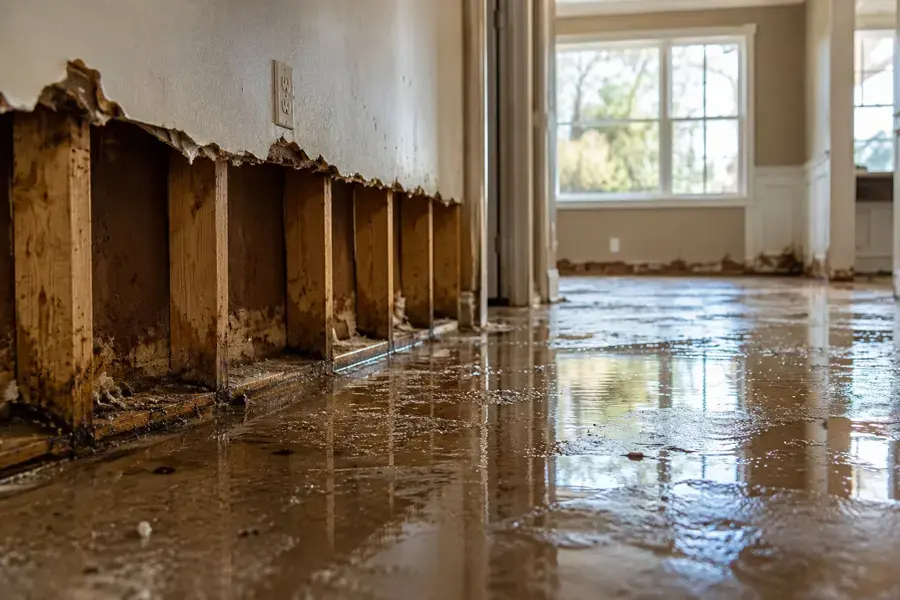
Surge water off Tampa Bay and Boca Ciega Bay carries salt, sewage and debris. That makes it Category 3 from the first inch, and it changes what can be saved.
(888) 621-2041Water still spreading? Call the St. Pete restoration team nowDo not go back in until officials reopen the area and the water has gone down.
Have the power checked before anything is switched on if water touched outlets or the panel.
Shoot the water line on walls, damaged contents and the outside before cleanup starts.
Removal and drying go faster when the moisture map comes first.
Third-party restoration contractors do the work; this is how a proper job runs, so you know what to expect and what to ask for.
St. Petersburg water damage pros answer around the clock and send a crew as soon as the call is taken.
The drying team maps moisture first, then extracts and dries until the readings say dry.
Daily moisture readings and timestamped photos before demolition, the file an adjuster asks for.
Surge, downpours, slab leaks and AC overflows are everyday calls in a Florida slab home.
In Saint Petersburg, FL, storm surge cleanup typically runs $6,000 to $25,000 or more for a single-story home, because Category 3 water means flood cuts, material removal, antimicrobial treatment and full structural drying.
For a closer planning number, try the water damage cost calculator. A firm figure only comes from an on-site walkthrough of what is actually wet.
The tech who does the walkthrough finds the source and maps how far the water traveled, using thermal imaging and pinless meters.
The extraction crew pulls standing water with truck-mounted units, then removes anything the water category says cannot be saved.
Air movers and LGR dehumidifiers go in sized to the evaporation load of each room, with desiccants for dense Class 4 materials.
Readings are logged daily, and equipment leaves only when wet materials are within 2 to 4 points of a dry reference material.
When Hurricane Helene pushed surge water into Shore Acres, Snell Isle, Venetian Isles and Riviera Bay in September 2024, thousands of St. Petersburg homes flooded from the outside in. Surge is different from a pipe break: it comes up through doors, garages and weep holes, it carries salt and whatever was on the street, and it usually leaves a clear water line on every wall it touched.
Under the IICRC S500 standard, water from outside that has touched the ground, drains and sewer lines is Category 3. That has direct consequences for a surge-flooded house:
The mitigation team starts with a moisture map and photos, then the extraction crew pulls standing water and silt. Flood cuts come next, along with removal of wet insulation, baseboards and cabinets that swelled. Crews working surge losses wear protective suits and respirators, set containment where needed and run HEPA air scrubbers while materials come out. Only then do air movers and LGR dehumidifiers go in for structural drying, with daily readings until the framing and slab reach the drying goal.
Surge often arrives with roof and window leaks from the same storm, and many homes need both handled in one plan.
A surge claim usually runs through a flood policy, not the homeowners policy. Timestamped photos of the water line, a moisture map and a list of removed materials make that file much easier to settle.
Pinellas County publishes evacuation zones, and surge is the reason they exist. Check your zone at pinellas.gov, and read the National Hurricane Center guidance on surge at nhc.noaa.gov. Flood coverage questions are answered at FloodSmart.gov.
Surge water in the house? Photograph the water line on the walls, then call.
Talk to someone about the St. Pete flooding nowFrom the downtown waterfront to Pinellas Point, the St. Petersburg water damage pros take calls from every ZIP on the peninsula, day and night.
The local restoration pros cover all of St. Petersburg, from Snell Isle and the Old Northeast to Lakewood Estates, Tyrone and Gateway, plus Gulfport, South Pasadena, Pinellas Park and the beach towns.
The restoration team asks for the cross street and which rooms are wet, because that decides how much equipment goes on the truck.
See every St. Pete neighborhood and ZIP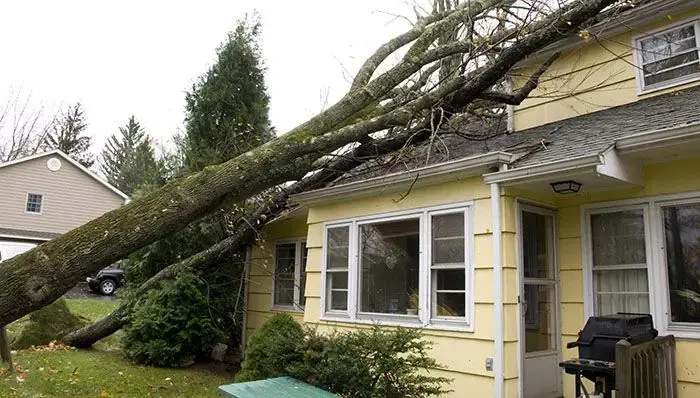 Hurricane Roof Leak Water DamageWind-driven rain in attics and ceilings, traced and dried.Read the hurricane roof leak water damage guide
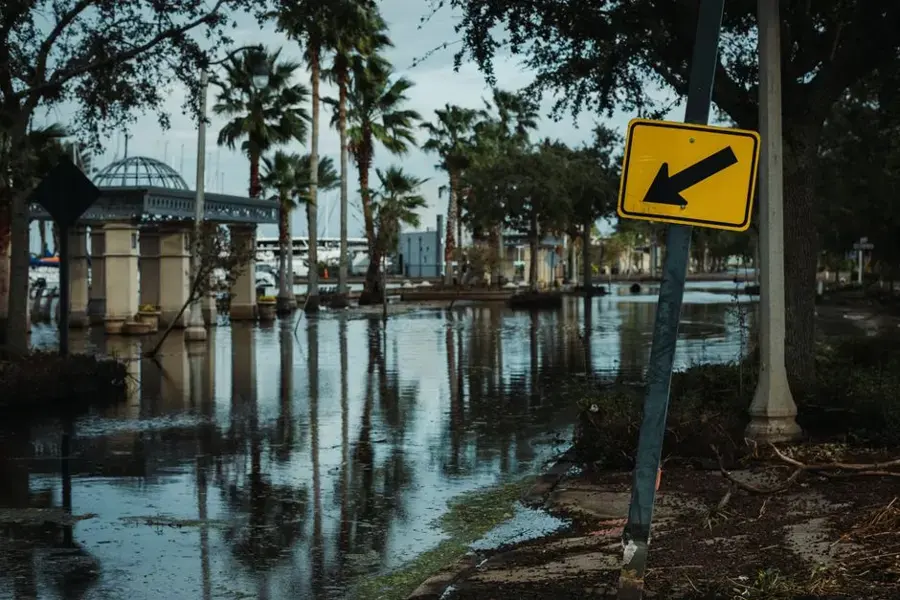 Flash Flood and Heavy Rain CleanupSummer downpours and street flooding in garages and slab homes.Read the flash flood guide
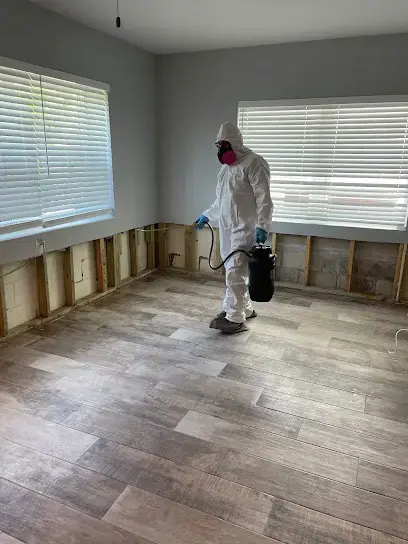 Sewage and Black Water CleanupCategory 3 backups contained, removed and treated before drying.Read the sewage guide
No. Surge water is Category 3, so drywall it touched is cut out above the water line. Studs, block walls and the slab are cleaned, treated and dried.
It depends on the water line and on moisture readings above it. Cuts at 2 or 4 feet are common because they match standard drywall sheet sizes and make the repair cleaner.
Surge is flood water, and flood damage is usually covered by a separate flood policy, such as one through the NFIP. Coverage depends on your policy, so it is worth checking with your own insurer.
After tear-out, framing and block walls in a single-story home often reach the drying goal in about 3 to 7 days. A saturated slab can take longer in humid weather.
Salt left in wood and concrete draws moisture back in from humid air, which keeps readings high and can corrode metal. Rinsing and cleaning before drying helps the readings drop.
Food, medicine, mattresses and upholstered items that sat in surge water are usually not salvageable. Photograph them before they go to the curb.
Still have water on the floor? Skip the reading and call (888) 621-2041.
The St. Petersburg water damage pros answer 24/7 during storm season, and the first call sets up the tear-out plan.