Rapid local response
St. Petersburg water damage pros answer around the clock and send a crew as soon as the call is taken.
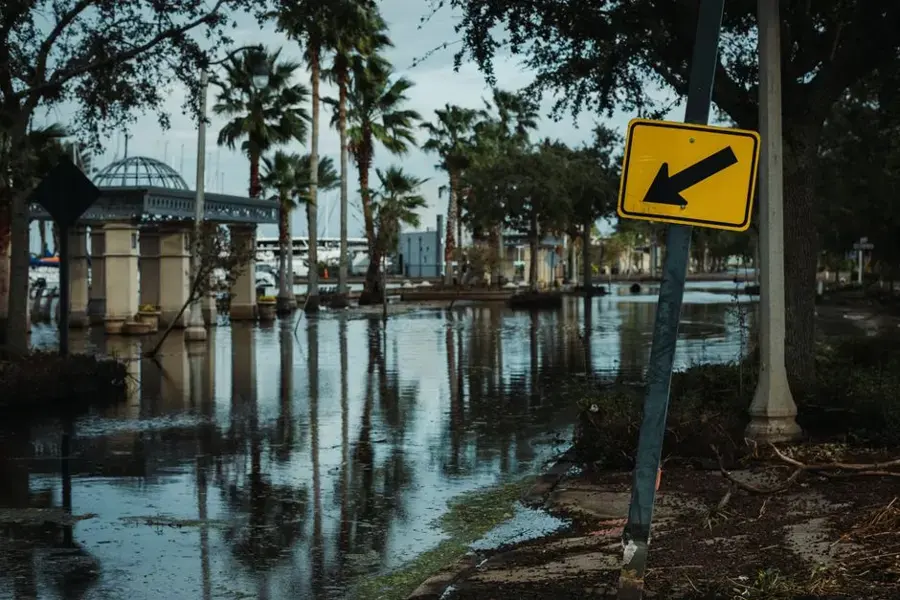
A slow-moving summer storm can drop several inches of rain in an afternoon. When low streets and drainage back up, water comes under doors and into garages and slab homes.
(888) 621-2041Get emergency water extraction started in St. PeteNever walk or drive through floodwater; it hides drop-offs and live wires.
If the panel is dry and reachable, switch off circuits in flooded rooms.
Lift what you can off the floor and away from the wet wall line.
Show the water depth and where it came in, then call.
Third-party restoration contractors do the work; this is how a proper job runs, so you know what to expect and what to ask for.
St. Petersburg water damage pros answer around the clock and send a crew as soon as the call is taken.
The drying team maps moisture first, then extracts and dries until the readings say dry.
Daily moisture readings and timestamped photos before demolition, the file an adjuster asks for.
Surge, downpours, slab leaks and AC overflows are everyday calls in a Florida slab home.
In Saint Petersburg, FL, flash flood and heavy rain cleanup typically runs $2,000 to $12,000, depending on how deep the water got, whether it is treated as Category 2 or 3, and how much flooring and drywall has to come out.
For a closer planning number, try the water damage cost calculator. A firm figure only comes from an on-site walkthrough of what is actually wet.
The tech who does the walkthrough finds the source and maps how far the water traveled, using thermal imaging and pinless meters.
The extraction crew pulls standing water with truck-mounted units, then removes anything the water category says cannot be saved.
Air movers and LGR dehumidifiers go in sized to the evaporation load of each room, with desiccants for dense Class 4 materials.
Readings are logged daily, and equipment leaves only when wet materials are within 2 to 4 points of a dry reference material.
St. Petersburg gets most of its rain in the summer wet season, roughly June through September, often in short, heavy afternoon storms. When those storms line up with a high tide, drainage in low neighborhoods can back up and water climbs over curbs and into yards, garages and ground-floor rooms.
Rainwater that crosses a yard or street picks up soil, fertilizer and whatever is in the gutter, so the IICRC S500 standard treats it as at least Category 2, and often Category 3. The extraction crew pulls the water and silt out first. Carpet and pad that soaked in outside water are usually removed; tile and sealed concrete are cleaned and treated. The drying team checks the bottom of walls with moisture meters, cuts drywall where readings stay high, and sets air movers and LGR dehumidifiers for structural drying.
If the water came from a storm surge rather than rain, see storm surge cleanup; if it backed up through drains, it is a sewage cleanup job.
Clean water from a pipe can often be dried in place. Outside floodwater is treated as contaminated, which is why porous materials it touched come out instead of being dried.
Flood maps and flood insurance details are at FloodSmart.gov, and flood safety basics from the National Weather Service are at weather.gov.
Rain came in under the door? The bottom of the walls is where the damage hides.
Talk to someone about the flooding in St. PeteFrom the downtown waterfront to Pinellas Point, the St. Petersburg water damage pros take calls from every ZIP on the peninsula, day and night.
The local restoration pros cover all of St. Petersburg, from Snell Isle and the Old Northeast to Lakewood Estates, Tyrone and Gateway, plus Gulfport, South Pasadena, Pinellas Park and the beach towns.
The restoration team asks for the cross street and which rooms are wet, because that decides how much equipment goes on the truck.
See every St. Pete neighborhood and ZIP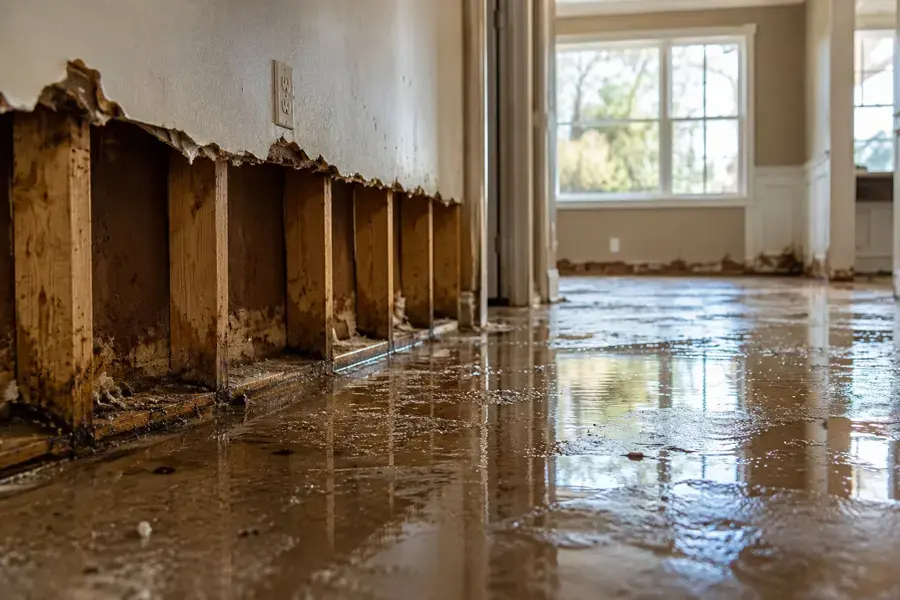 Storm Surge and Saltwater Flood CleanupSaltwater surge is Category 3: soaked materials out, structure dried.Read the storm surge guide
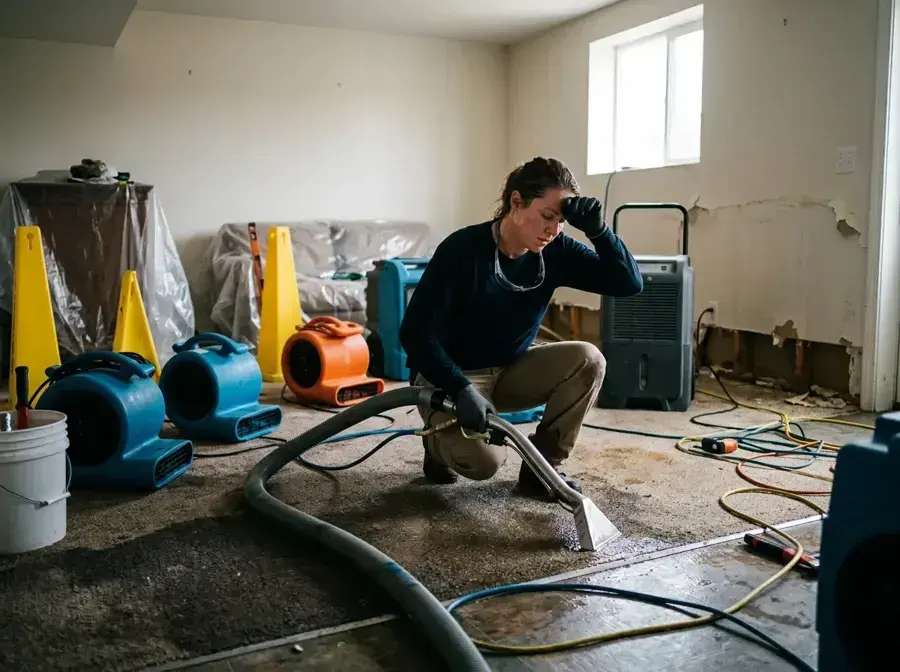 Water Extraction and RemovalTruck-mounted extraction pulls standing water before it wicks into walls.Read the water extraction guide
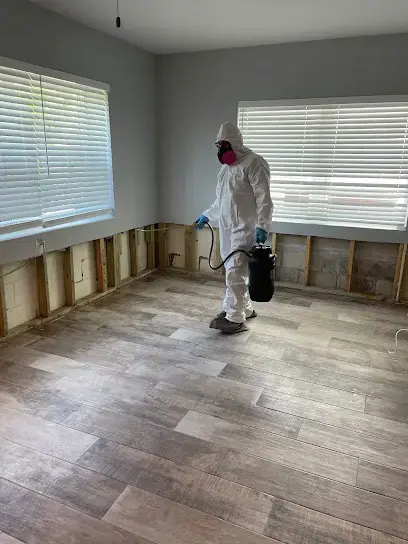 Sewage and Black Water CleanupCategory 3 backups contained, removed and treated before drying.Read the sewage guide
Not once it crosses the ground. Rain that flows over yards, streets and driveways picks up contaminants, so it is treated as Category 2 or 3 inside a house.
Surface water that rises and enters the home is usually a flood policy matter. Rain that comes through a storm-damaged roof may be treated differently. Coverage depends on your policy, so it is worth checking with your own insurer.
Usually not, because outside water is contaminated and pad soaks it up. Tile and sealed concrete floors are cleaned and dried.
As soon as possible. In St. Petersburg summer humidity, wet drywall and wood can start growing mold inside 24 to 48 hours.
Low elevation, a high water table and tides that slow drainage all play a part. Neighborhoods near the bays and bayous tend to see water first.
Photograph them, separate what sat in water, and set porous items aside for the adjuster. Hard items can usually be cleaned.
Still have water on the floor? Skip the reading and call (888) 621-2041.
The St. Petersburg restoration crew works 24/7 during the rainy season.