Rapid local response
St. Petersburg water damage pros answer around the clock and send a crew as soon as the call is taken.
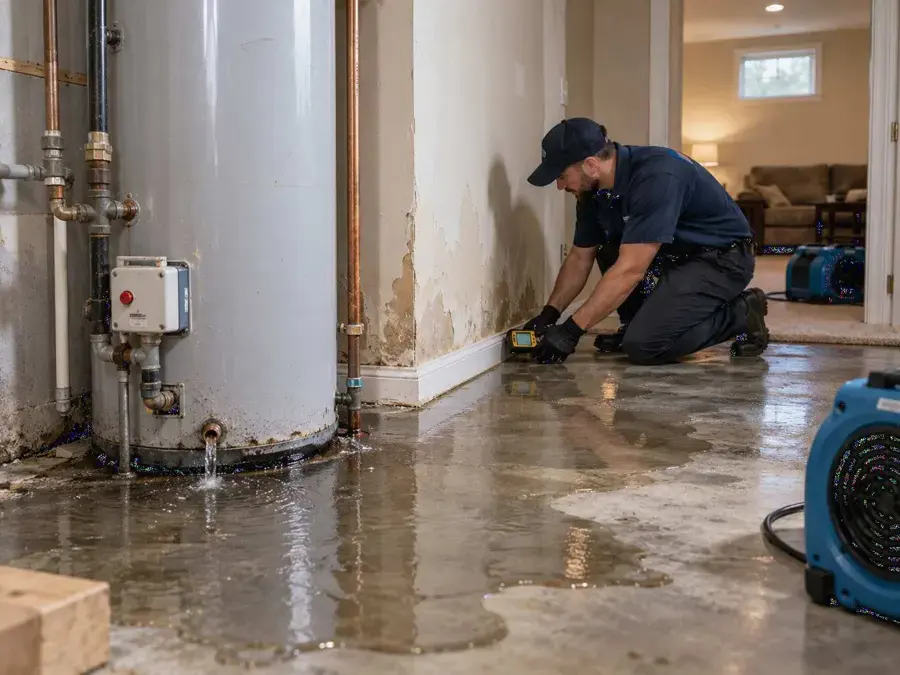
A 40 or 50 gallon tank that fails keeps refilling from the supply line. In an interior closet or a garage next to living space, that water heads straight for the walls and flooring.
(888) 621-2041Call now for emergency water removal from a St. Pete heater leakShut the valve on the cold line above the tank, or the main.
Switch off the breaker for an electric heater, or set a gas unit to off.
Water from the tank or relief valve can scald; let it cool.
Document the tank and the spread, then start the extraction.
Third-party restoration contractors do the work; this is how a proper job runs, so you know what to expect and what to ask for.
St. Petersburg water damage pros answer around the clock and send a crew as soon as the call is taken.
The drying team maps moisture first, then extracts and dries until the readings say dry.
Daily moisture readings and timestamped photos before demolition, the file an adjuster asks for.
Surge, downpours, slab leaks and AC overflows are everyday calls in a Florida slab home.
In Saint Petersburg, FL, water heater failure cleanup typically runs $900 to $5,000, depending on where the tank sits, how long it ran and whether water reached finished rooms, carpet or wood flooring.
For a closer planning number, try the water damage cost calculator. A firm figure only comes from an on-site walkthrough of what is actually wet.
The tech who does the walkthrough finds the source and maps how far the water traveled, using thermal imaging and pinless meters.
The extraction crew pulls standing water with truck-mounted units, then removes anything the water category says cannot be saved.
Air movers and LGR dehumidifiers go in sized to the evaporation load of each room, with desiccants for dense Class 4 materials.
Readings are logged daily, and equipment leaves only when wet materials are within 2 to 4 points of a dry reference material.
Tank water heaters usually last around 8 to 12 years, and Florida's hard, mineral-heavy water can shorten that. In St. Petersburg they tend to sit in the garage, a laundry room or an interior closet. When the tank corrodes through, a fitting fails or the relief valve dumps water, the tank keeps refilling from the supply line until someone shuts it off.
The extraction crew pulls standing water from the closet or garage and any room it reached. The tech who does the walkthrough maps moisture along the walls that share the closet, because water under a heater often travels under the wall plate into the next room. Baseboards and the bottom of drywall in the closet are frequently removed, since they soak up water quickly and are hard to dry in a tight space. Air movers and LGR dehumidifiers run until readings reach the drying goal.
Garage slabs dry faster than finished rooms, but water that ran under a door into carpet or wood flooring needs the same care as any water extraction job. If the heater leaked slowly for weeks, the loss may also need structural drying of framing.
Water from a heater starts as clean Category 1 water. Drying it within a day or two usually saves most materials; waiting lets it turn into Category 2.
The Department of Energy explains water heater care, including flushing sediment, at energy.gov. The EPA WaterSense program has leak tips at epa.gov.
Water heater leaking into the house? Shut the cold supply, then call.
Get the St. Pete heater cleanup started todayFrom the downtown waterfront to Pinellas Point, the St. Petersburg water damage pros take calls from every ZIP on the peninsula, day and night.
The local restoration pros cover all of St. Petersburg, from Snell Isle and the Old Northeast to Lakewood Estates, Tyrone and Gateway, plus Gulfport, South Pasadena, Pinellas Park and the beach towns.
The restoration team asks for the cross street and which rooms are wet, because that decides how much equipment goes on the truck.
See every St. Pete neighborhood and ZIP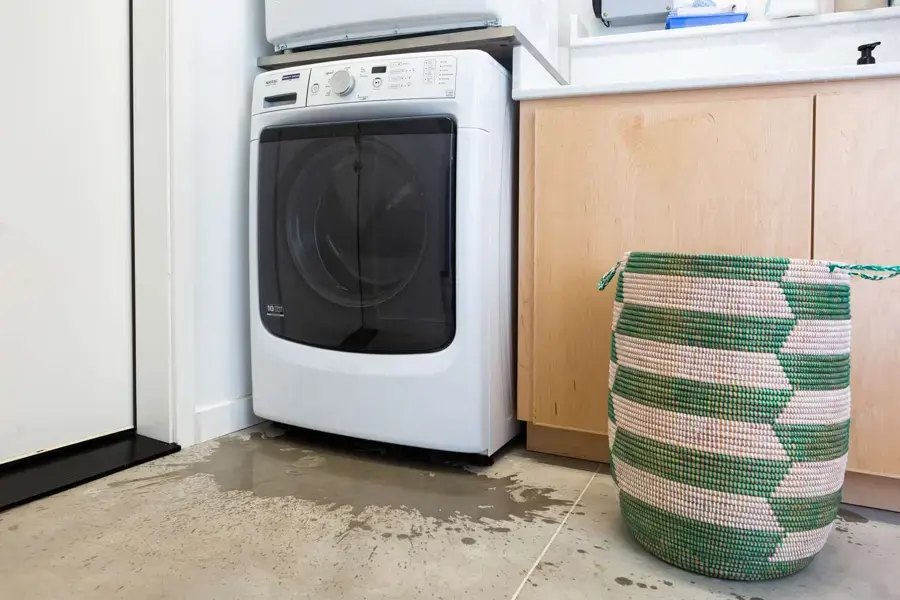 Appliance Supply Line Leak CleanupWasher, dishwasher, fridge and ice-maker line failures.Read the appliance supply line leak cleanup guide
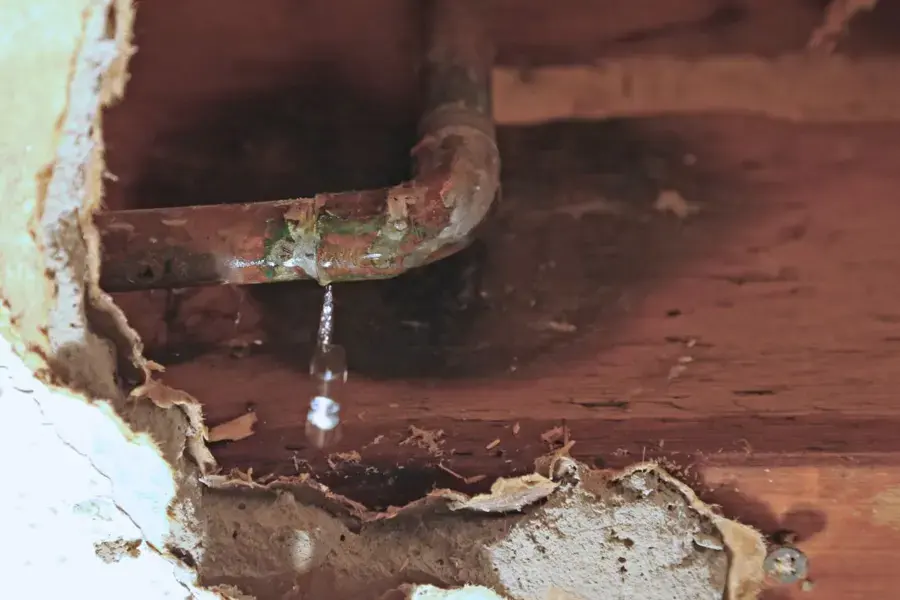 Burst Pipe CleanupSplit supply lines extracted and wall cavities dried after the shutoff.Read the burst pipe cleanup guide
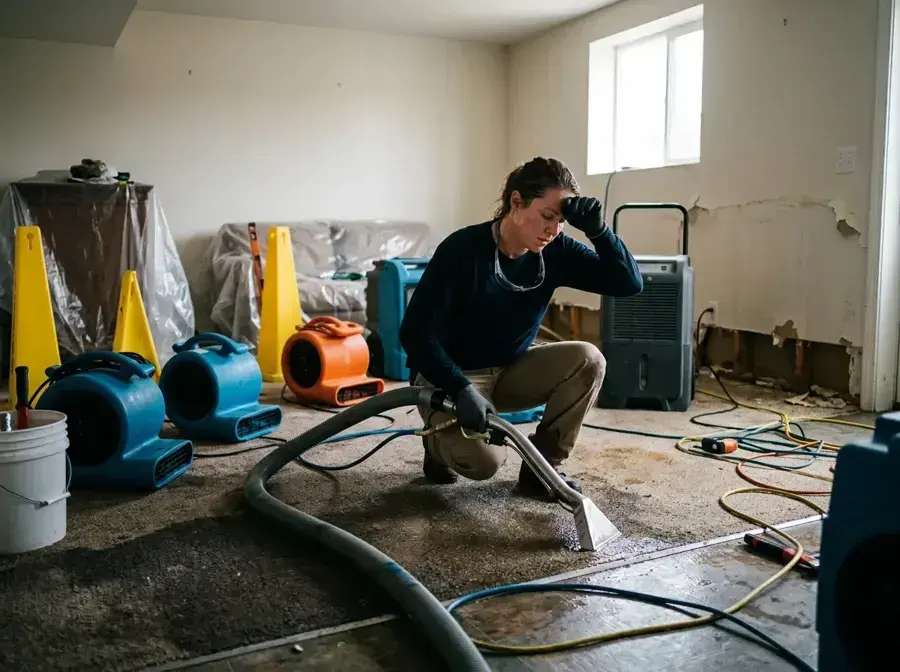 Water Extraction and RemovalTruck-mounted extraction pulls standing water before it wicks into walls.Read the water extraction guide
Close the cold water valve above the tank and turn off the power at the breaker, or set a gas unit to off. If the valve will not close, shut the main.
Tile usually can. Carpet on a clean-water loss often can if it is dried quickly. Laminate and floating floors frequently need to be lifted.
Water damage from a sudden tank failure is often covered, though the heater itself usually is not. Coverage depends on your policy, so it is worth checking with your own insurer.
A contained leak often dries in about 3 to 5 days. Water that ran under walls into other rooms can add time.
Water runs under the bottom wall plate and into the neighboring room's flooring and drywall. A moisture map catches that early.
A plumber decides that. Tanks that leak from the body usually need replacement; valves and connectors can often be repaired.
Still have water on the floor? Skip the reading and call (888) 621-2041.
The restoration team asks where the heater sits and what rooms share its walls.