Rapid local response
St. Petersburg water damage pros answer around the clock and send a crew as soon as the call is taken.
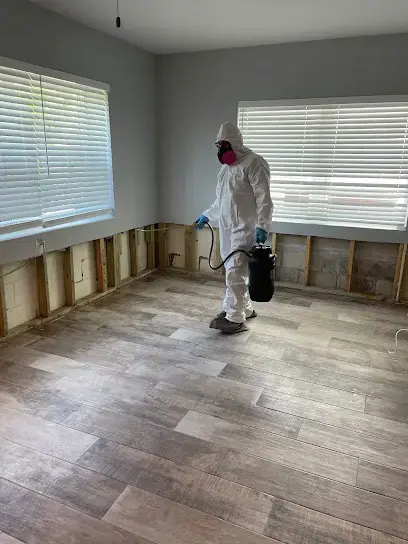
Sewage backup is Category 3 water the moment it happens. It carries bacteria and viruses, so the cleanup is about containment and removal first, drying second.
(888) 621-2041Water still spreading? Call now for St. Pete sewage cleanupKeep children, pets and anyone with a weak immune system away from the area.
Do not flush, run sinks or the washer while the line is backed up.
Skip the mop and bleach; handling sewage spreads it.
A protected crew handles containment and removal.
Third-party restoration contractors do the work; this is how a proper job runs, so you know what to expect and what to ask for.
St. Petersburg water damage pros answer around the clock and send a crew as soon as the call is taken.
The drying team maps moisture first, then extracts and dries until the readings say dry.
Daily moisture readings and timestamped photos before demolition, the file an adjuster asks for.
Surge, downpours, slab leaks and AC overflows are everyday calls in a Florida slab home.
In Saint Petersburg, FL, sewage cleanup typically runs $2,000 to $12,000 or more, because Category 3 water requires containment, protective equipment, removal of soaked materials, antimicrobial treatment and drying.
For a closer planning number, try the water damage cost calculator. A firm figure only comes from an on-site walkthrough of what is actually wet.
The tech who does the walkthrough finds the source and maps how far the water traveled, using thermal imaging and pinless meters.
The extraction crew pulls standing water with truck-mounted units, then removes anything the water category says cannot be saved.
Air movers and LGR dehumidifiers go in sized to the evaporation load of each room, with desiccants for dense Class 4 materials.
Readings are logged daily, and equipment leaves only when wet materials are within 2 to 4 points of a dry reference material.
Sewage backups in St. Petersburg tend to come from three places: older cast iron drain lines under the slab that crack, scale and clog; root intrusion in older clay and cast iron laterals; and heavy rain or surge that overloads the system and pushes water back up through low drains. Whatever the cause, the IICRC S500 standard treats sewage as Category 3 water from the first moment.
The mitigation team sets containment and removes the gross contamination and standing water first. Drywall is cut above the wet line and porous materials are bagged and removed. Surfaces are cleaned, treated and rinsed, and then the drying team runs air movers and dehumidifiers until readings reach the drying goal. A plumber clears or repairs the line that caused the backup, often with a camera inspection of the drain.
Many St. Pete homes built before the mid-1970s still have cast iron drains under the slab, and repeat backups are a common sign the line needs attention. After a storm, surge water is also Category 3; see storm surge cleanup.
Anyone working in sewage should have gloves, eye protection, a respirator and protective clothing. That is why sewage is not a do-it-yourself job, even when the spill looks small.
OSHA explains the hazards of cleaning up contaminated water at osha.gov, and Ready.gov covers contaminated floodwater safety.
Sewage in the house? Keep everyone away from it and call.
Call for sewage backup cleanup in St. PeteFrom the downtown waterfront to Pinellas Point, the St. Petersburg water damage pros take calls from every ZIP on the peninsula, day and night.
The local restoration pros cover all of St. Petersburg, from Snell Isle and the Old Northeast to Lakewood Estates, Tyrone and Gateway, plus Gulfport, South Pasadena, Pinellas Park and the beach towns.
The restoration team asks for the cross street and which rooms are wet, because that decides how much equipment goes on the truck.
See every St. Pete neighborhood and ZIP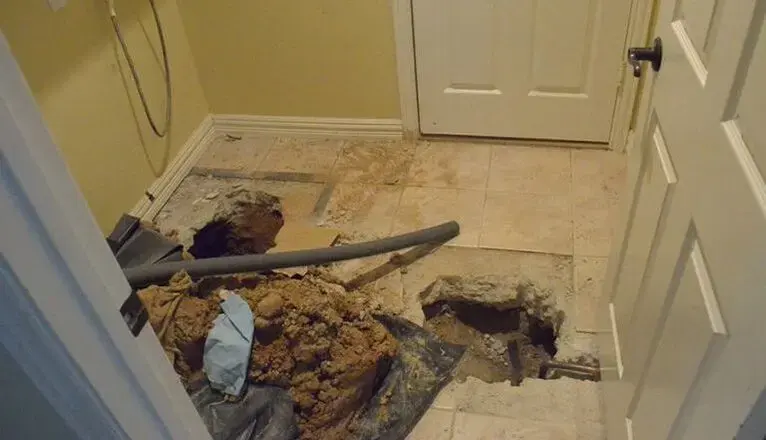 Slab Leak Water DamageLeaks under concrete floors, found by thermal imaging and dried.Read the slab leak water damage guide
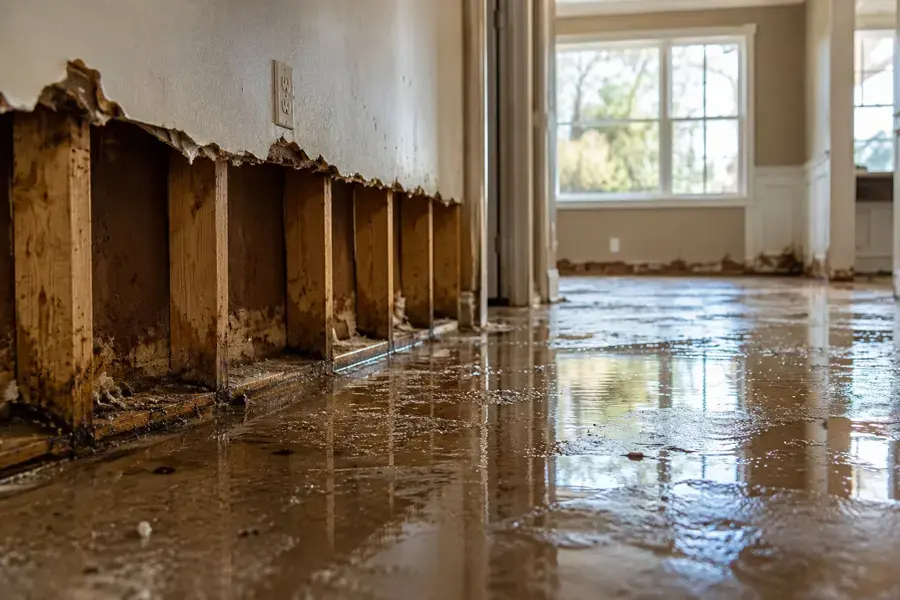 Storm Surge and Saltwater Flood CleanupSaltwater surge is Category 3: soaked materials out, structure dried.Read the storm surge guide
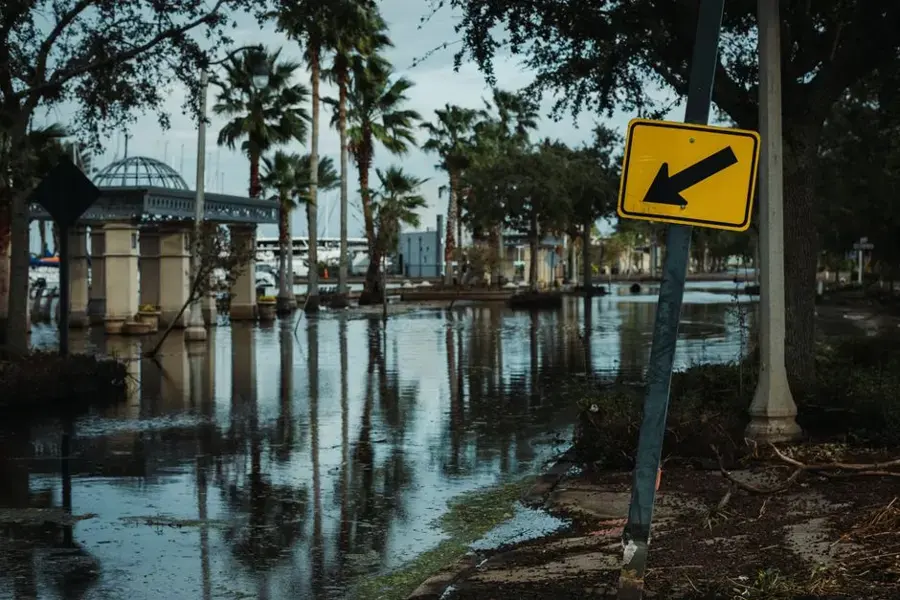 Flash Flood and Heavy Rain CleanupSummer downpours and street flooding in garages and slab homes.Read the flash flood guide
It is not recommended. Even a small backup carries bacteria and viruses, and household cleaners do not treat porous materials that soaked it up.
Carpet, pad, upholstered items and the lower part of drywall that sewage touched are usually removed. Hard surfaces are cleaned and treated.
Many Florida policies cover sewer and drain backup only with a specific endorsement. Coverage depends on your policy, so it is worth checking with your own insurer.
Cast iron drain lines in homes built before the mid-1970s crack and scale inside over time, and tree roots can get into older lines.
By removing the contaminated materials, cleaning and treating every surface, and drying the structure. Masking the smell without removal does not solve it.
Removal and treatment often take a day or two, followed by about 3 to 5 days of drying for a contained loss.
Still have water on the floor? Skip the reading and call (888) 621-2041.
The response team answers 24/7 and treats every sewage call as a Category 3 emergency.