Rapid local response
St. Petersburg water damage pros answer around the clock and send a crew as soon as the call is taken.
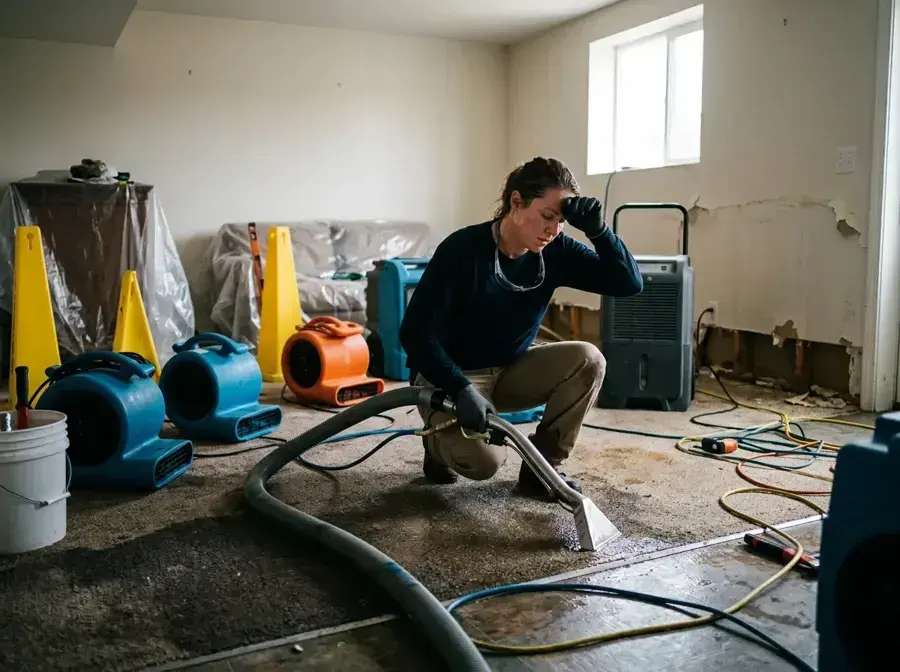
Every hour water sits on a slab or under a floating floor, more of it wicks into drywall and baseboards. The extraction crew pulls it out first, then the drying starts.
(888) 621-2041Call now for emergency water removal in St. PeteClose the main shutoff, usually near the street meter or where the water line enters a slab home.
If the breaker panel is dry and safe to reach, switch off circuits that feed wet outlets.
Move rugs, cords and furniture off wet floors and set aluminum foil under wooden legs.
Take wide and close photos before anything moves, then get extraction started.
Third-party restoration contractors do the work; this is how a proper job runs, so you know what to expect and what to ask for.
St. Petersburg water damage pros answer around the clock and send a crew as soon as the call is taken.
The drying team maps moisture first, then extracts and dries until the readings say dry.
Daily moisture readings and timestamped photos before demolition, the file an adjuster asks for.
Surge, downpours, slab leaks and AC overflows are everyday calls in a Florida slab home.
In Saint Petersburg, FL, water extraction typically runs $300 to $1,500 for a single room and $1,500 to $4,500 for a multi-room loss, depending on the water category, the square footage and whether floors have to be lifted.
For a closer planning number, try the water damage cost calculator. A firm figure only comes from an on-site walkthrough of what is actually wet.
The tech who does the walkthrough finds the source and maps how far the water traveled, using thermal imaging and pinless meters.
The extraction crew pulls standing water with truck-mounted units, then removes anything the water category says cannot be saved.
Air movers and LGR dehumidifiers go in sized to the evaporation load of each room, with desiccants for dense Class 4 materials.
Readings are logged daily, and equipment leaves only when wet materials are within 2 to 4 points of a dry reference material.
Extraction is the step that decides how the rest of a water loss goes. A wet vac and towels move gallons; a truck-mounted unit moves the water in a flooded St. Petersburg living room in a fraction of the time, and every gallon it takes out is a gallon the dehumidifiers never have to pull from the air. That is why the extraction crew goes in before any drying equipment does.
Most homes built in St. Petersburg after World War II sit on a concrete slab, and most of them carry tile, laminate or a floating vinyl plank floor. Water finds the seams fast:
The tech who does the walkthrough maps moisture first with a thermal camera and pinless meters, so the plan matches what is actually wet instead of what looks wet. The extraction crew then runs truck-mounted wands over carpet and hard floors, and weighted extraction tools push water out of carpet pad. On floating floors, a restoration company in St. Petersburg usually pulls a few planks to see what sits underneath, because a floor that looks dry on top can hold a sheet of water below.
Once the standing water is out, the job turns into structural drying: air movers and LGR dehumidifiers sized to each room. If the water came from outside, such as storm surge or street flooding, it is treated as Category 3 and porous materials come out before drying begins.
Category 1 clean water turns into Category 2 or 3 as it sits and picks up contaminants from floors and walls. Fast extraction is how a clean-water loss stays a clean-water loss.
Standing water and live outlets do not mix. If water reaches outlets, power strips or a floor-level air handler, stay out of the room until the power is off. The federal flood safety guide at Ready.gov covers electrical and contamination risks, and the National Weather Service keeps flood safety basics at weather.gov.
Water still on the floor in St. Pete? The longer it sits, the more comes out of the walls later.
Call before the water reaches the subfloorFrom the downtown waterfront to Pinellas Point, the St. Petersburg water damage pros take calls from every ZIP on the peninsula, day and night.
The local restoration pros cover all of St. Petersburg, from Snell Isle and the Old Northeast to Lakewood Estates, Tyrone and Gateway, plus Gulfport, South Pasadena, Pinellas Park and the beach towns.
The restoration team asks for the cross street and which rooms are wet, because that decides how much equipment goes on the truck.
See every St. Pete neighborhood and ZIP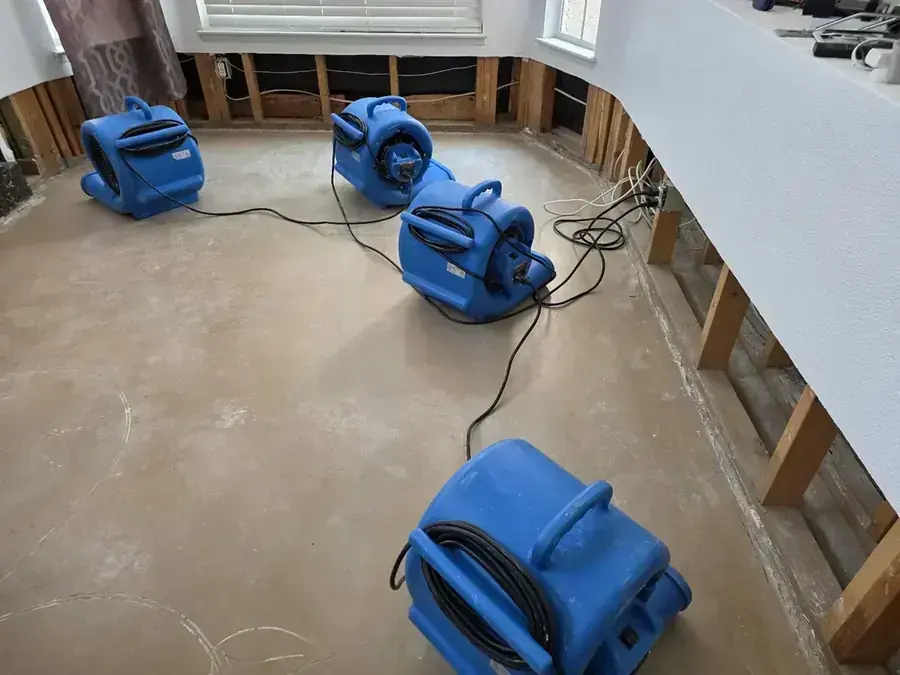 Structural Drying and DehumidificationFraming, slab and cavities dried to the IICRC S500 goal.Read the structural drying guide
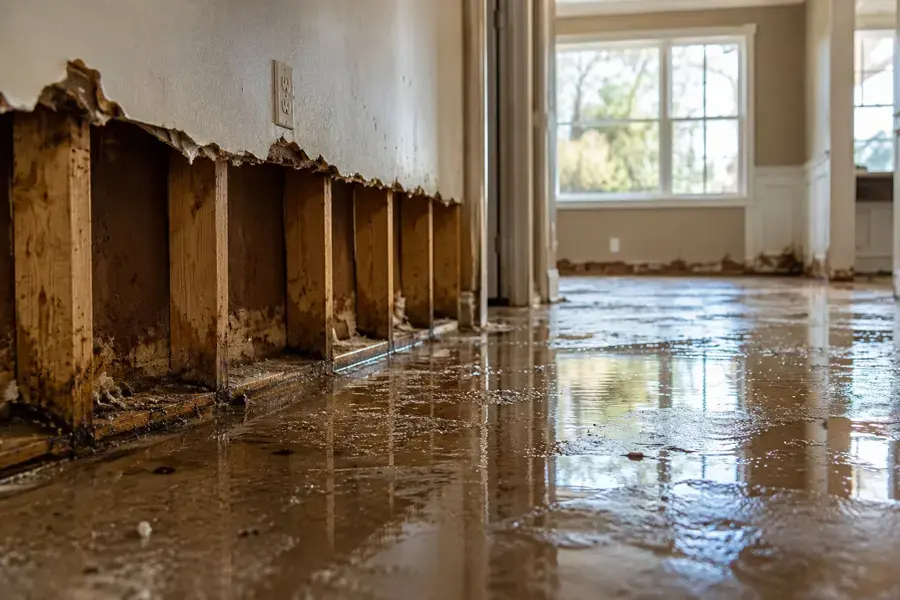 Storm Surge and Saltwater Flood CleanupSaltwater surge is Category 3: soaked materials out, structure dried.Read the storm surge guide
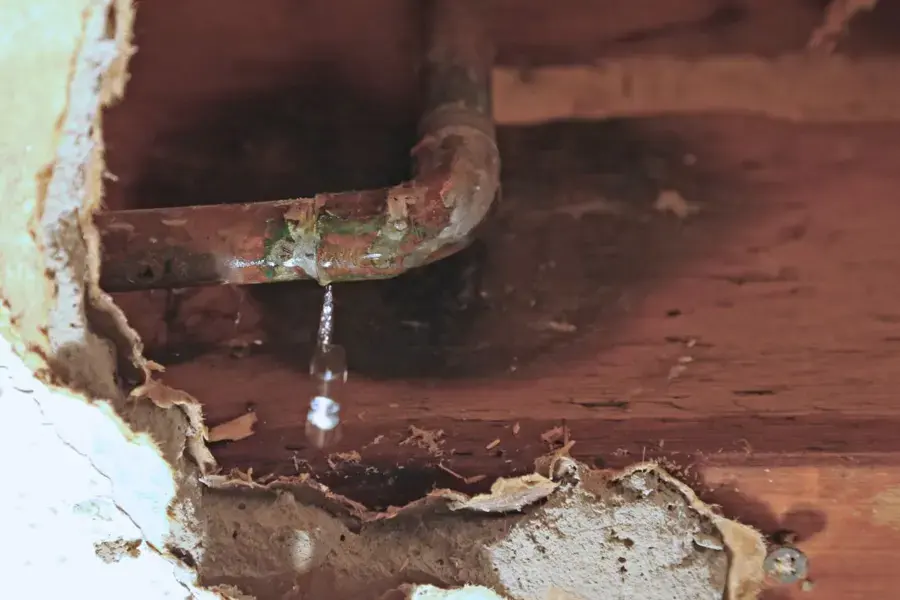 Burst Pipe CleanupSplit supply lines extracted and wall cavities dried after the shutoff.Read the burst pipe cleanup guide
A shop vac can help with a small, clean spill. It cannot pull water out of carpet pad, from under floating floors or out of wall cavities, and that hidden water is what causes swelling and odor later.
Drywall and MDF trim start wicking and swelling within hours. Mold can begin growing inside 24 to 48 hours in warm, humid air, which describes most of the year in St. Petersburg.
Not always. Tile over slab usually stays. Carpet can often be saved on a clean-water loss. Floating floors and laminate frequently need to be lifted because water gets trapped underneath.
Sudden and accidental water, such as a burst supply line, is often covered after the deductible. Rising outside water is usually a flood policy matter. Coverage depends on your policy, so it is worth checking with your own insurer.
Air movers and LGR dehumidifiers go in, sized to each room, and the drying team takes readings daily until wet materials match a dry reference reading.
Ask what category of water they assessed, how they will verify drying, and whether daily moisture readings and photos come with the job for your records.
Still have water on the floor? Skip the reading and call (888) 621-2041.
The extraction crew asks what is wet and how deep, then gets extraction started.